CATALYZE 2026: Manufacturers Learning from Manufacturers


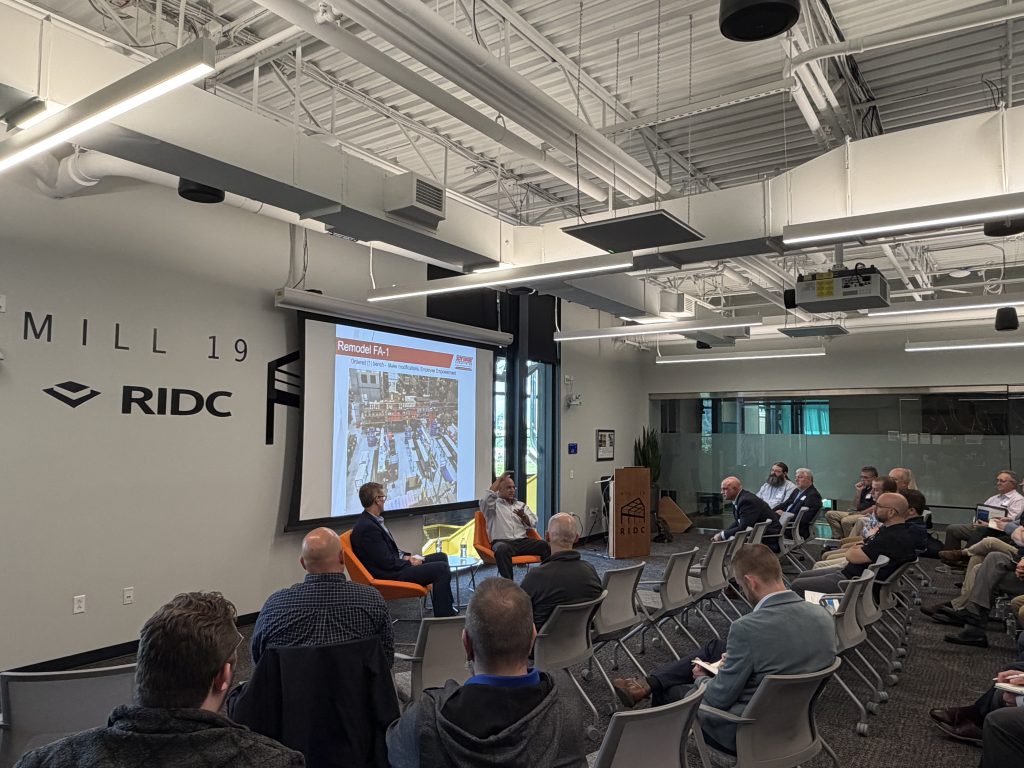
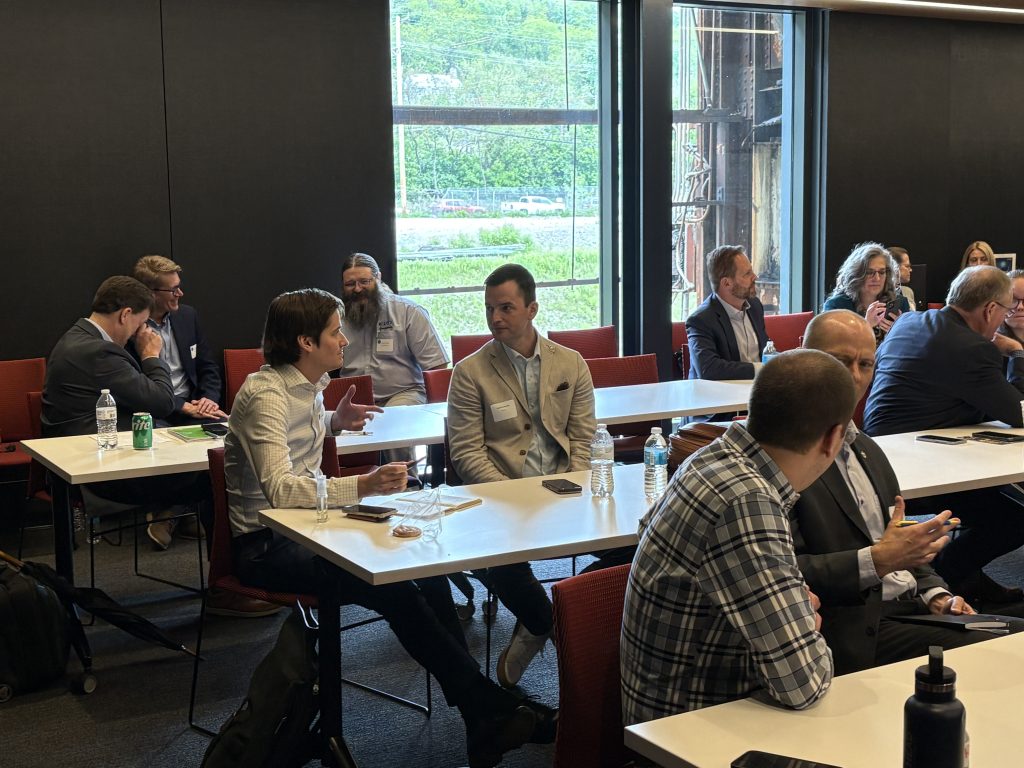
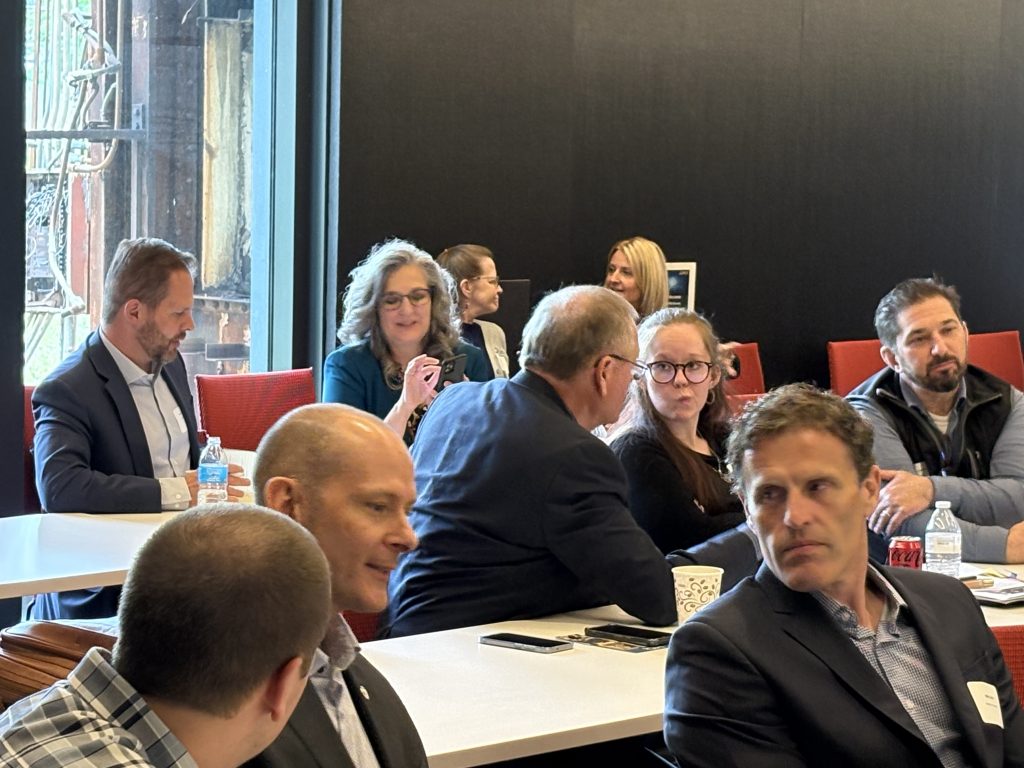
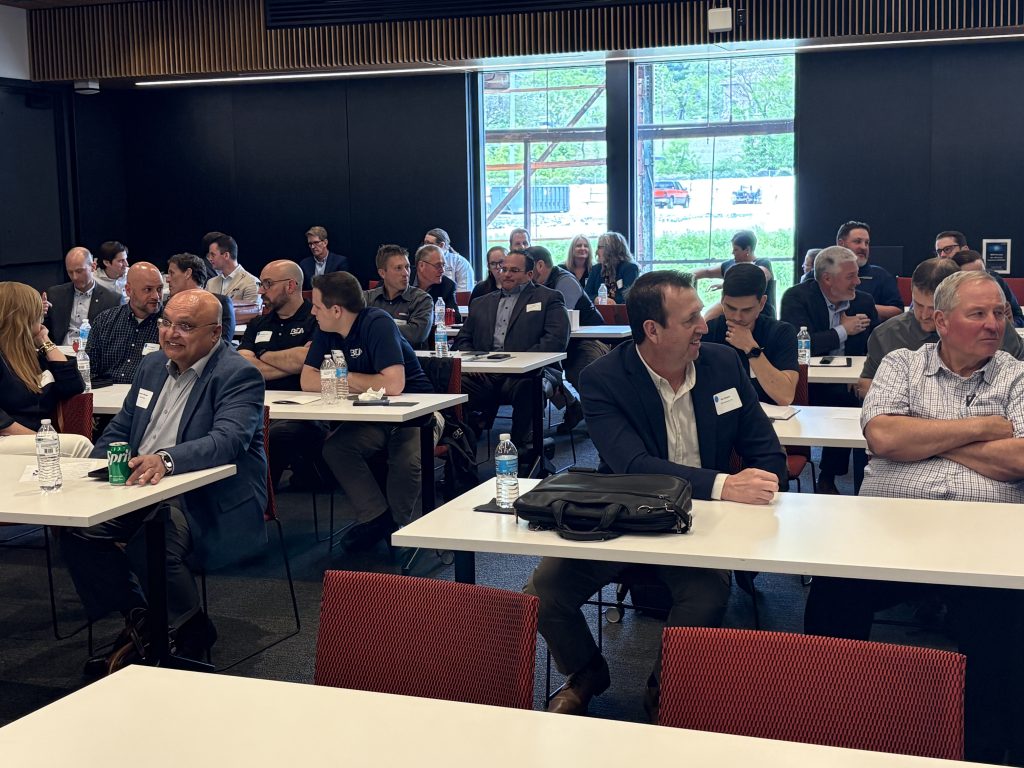
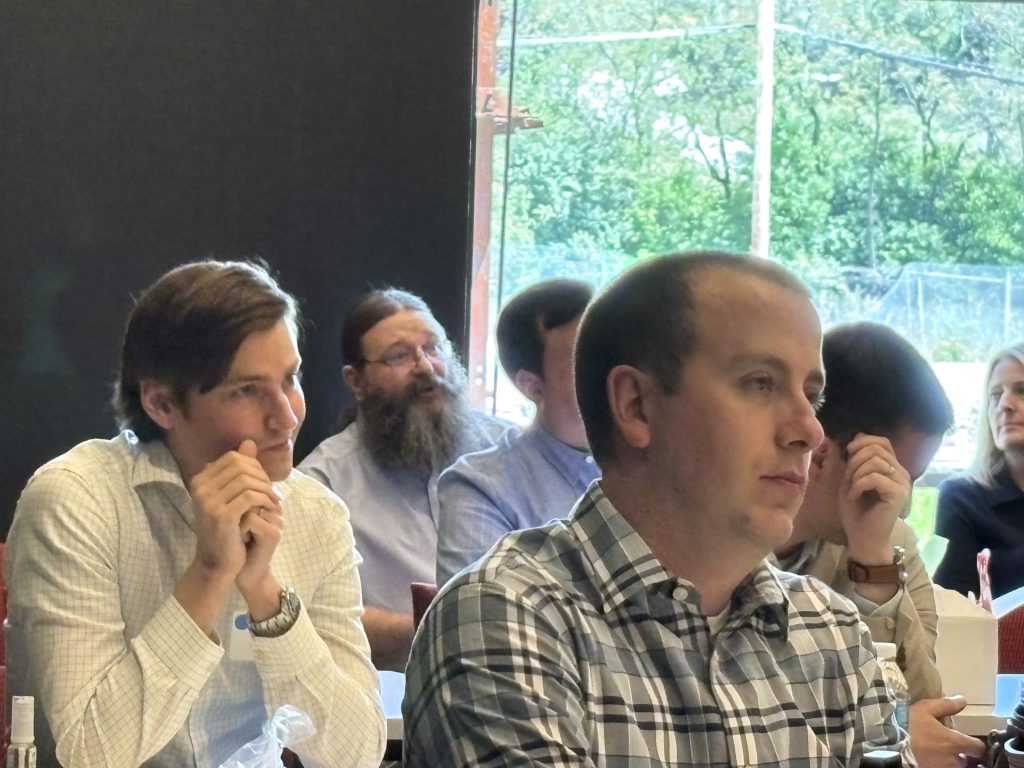
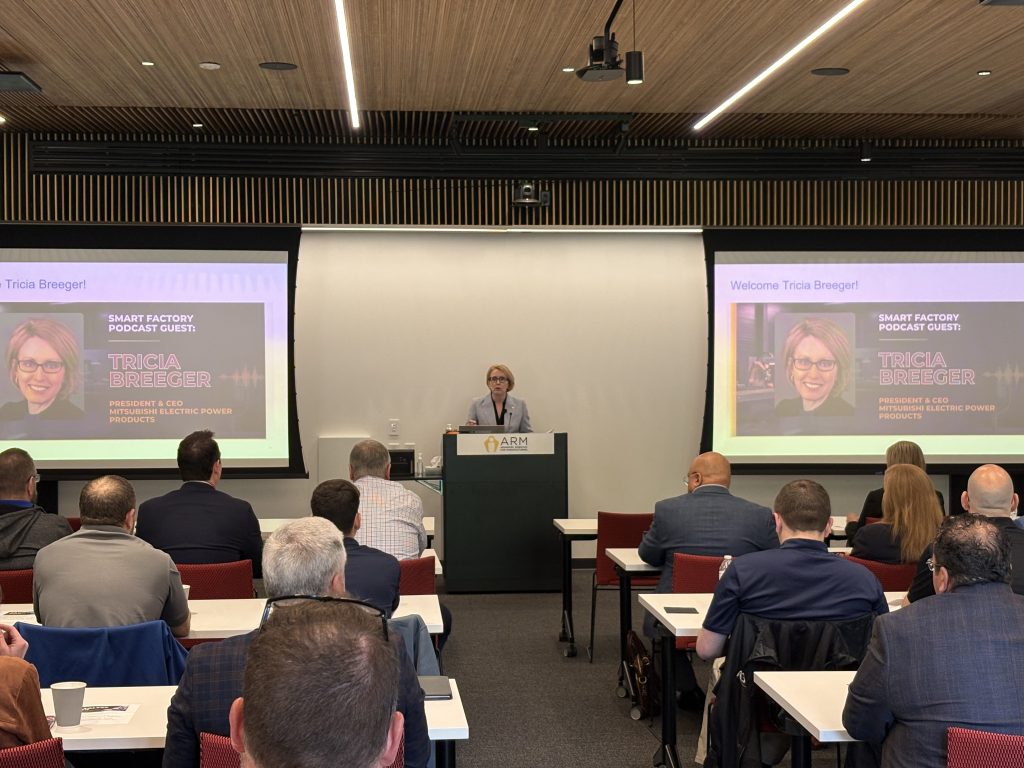
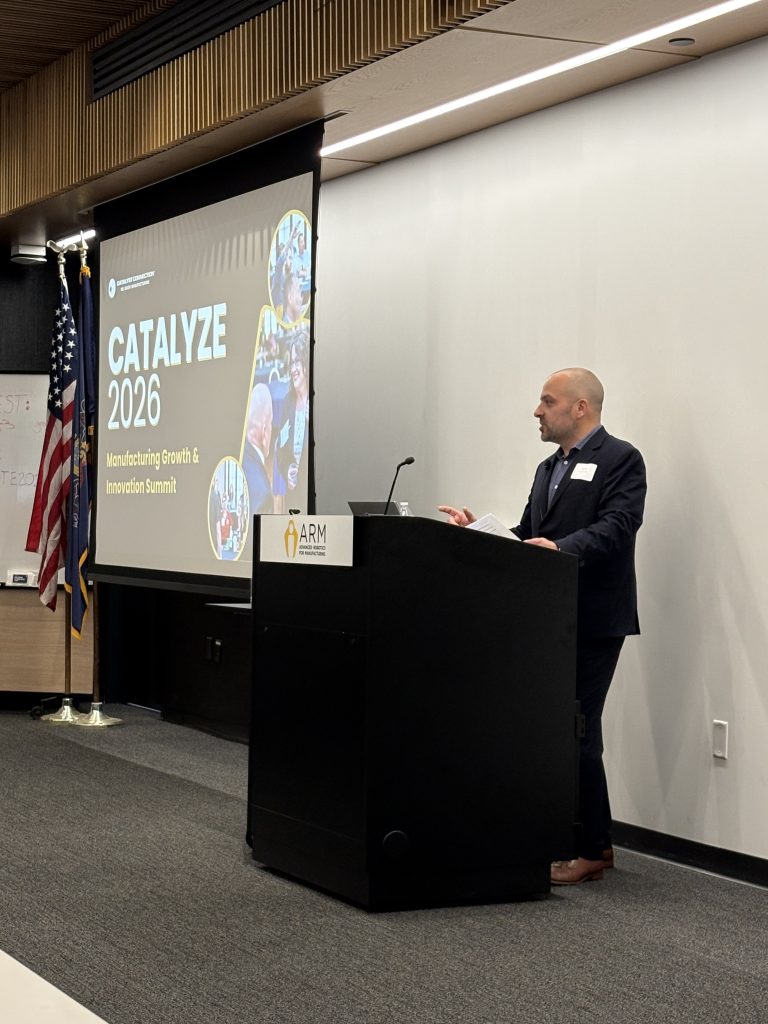
On May 13, manufacturers from southwestern Pennsylvania met at Mill 19 in Pittsburgh. They attended CATALYZE 2026, a one-day summit focused on real-world challenges, hands-on strategies, and peer-to-peer learning.
Hosted by Catalyst Connection, the event brought industry leaders and operations teams together. Technology professionals, workforce managers, and industry partners held honest talks about current challenges and future trends.
Traditional conferences focus on vendors and sales pitches. Instead, CATALYZE 2026 was built purely around manufacturers learning directly from each other. The event had no booths and no trade show floor. It featured direct, open conversations from companies doing the work every day.
A Day Built Around Real Manufacturing Challenges
One core theme stood out all day: manufacturers face heavy pressure, uncertainty, and rapid change. Yet, the talks inside the room showed something equally vital: strong business momentum.
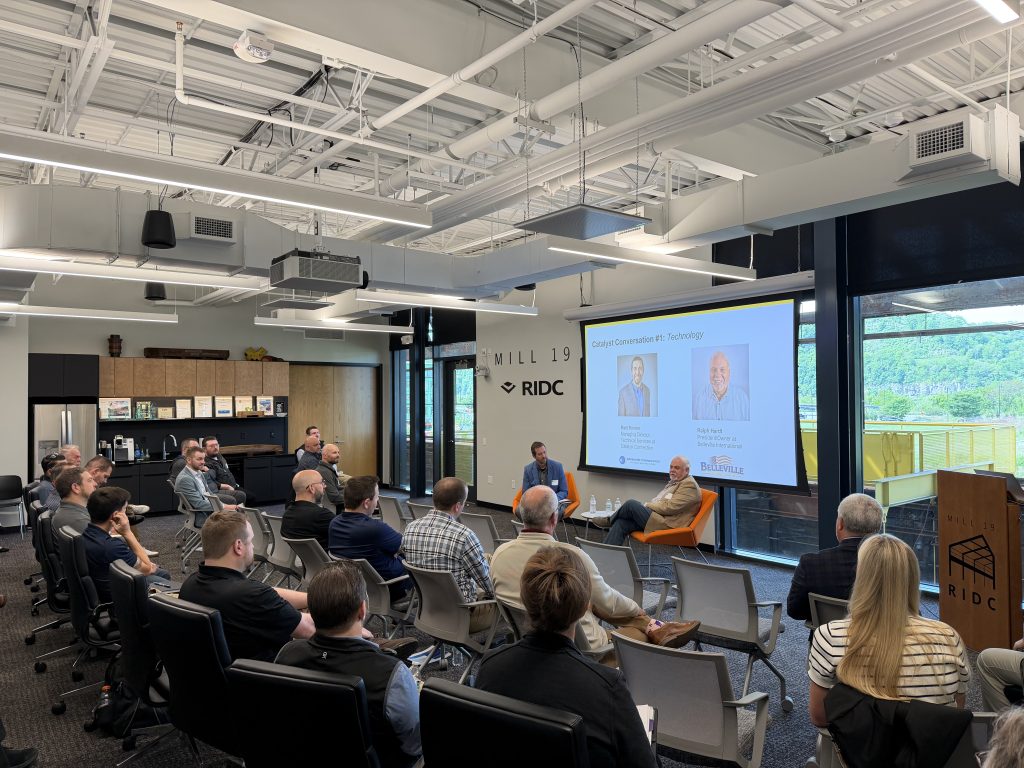
The opening group discussion highlighted many of the main issues companies face today, including:
- Growth limits and capacity strains
- Hiring hurdles and skilled labor shortages
- Tariffs and erratic supply chains
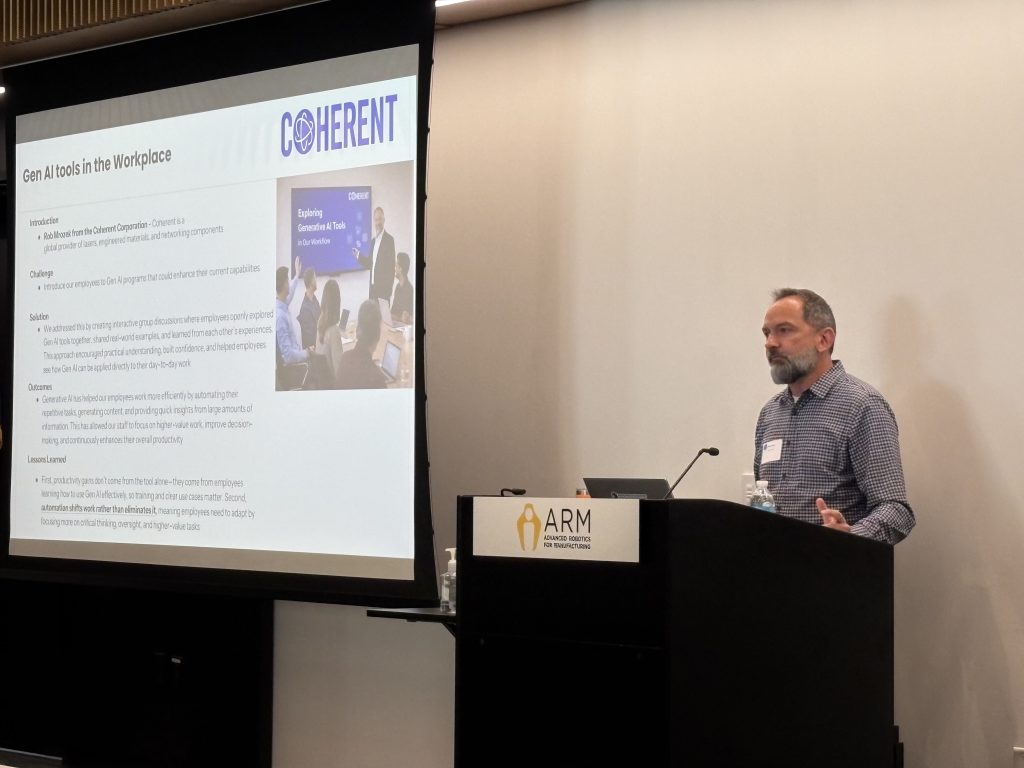
- Adopting AI and automation tools
- Smart technology investment choices
- Operational efficiency and staff development
Those themes carried through the entire event.
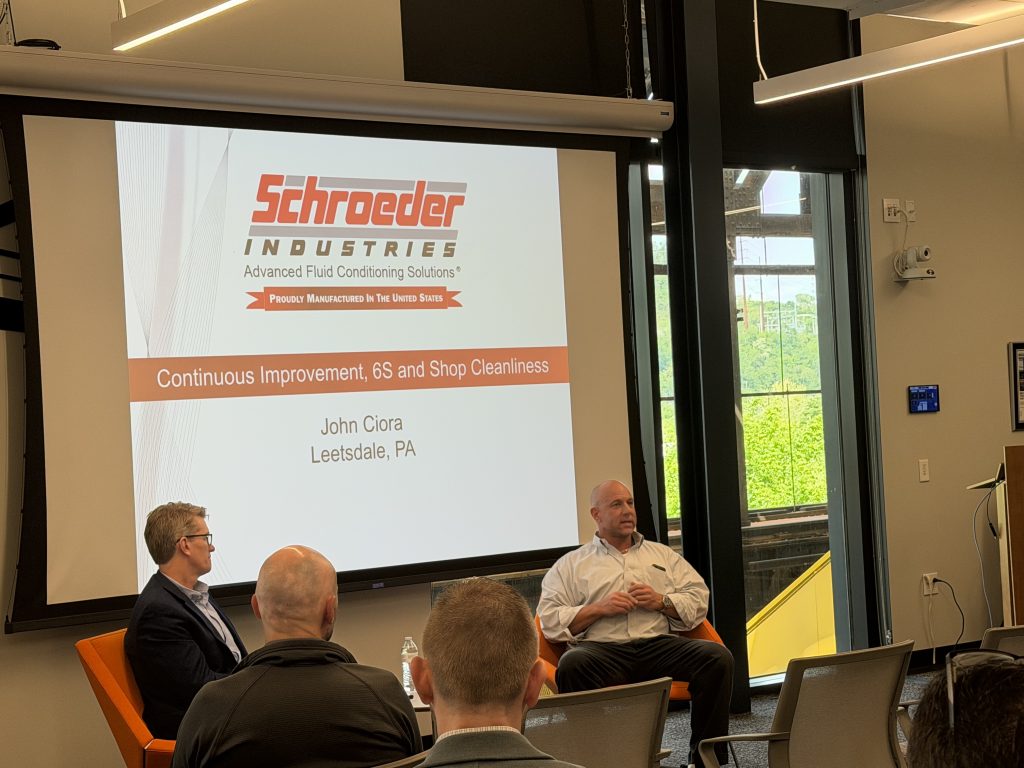
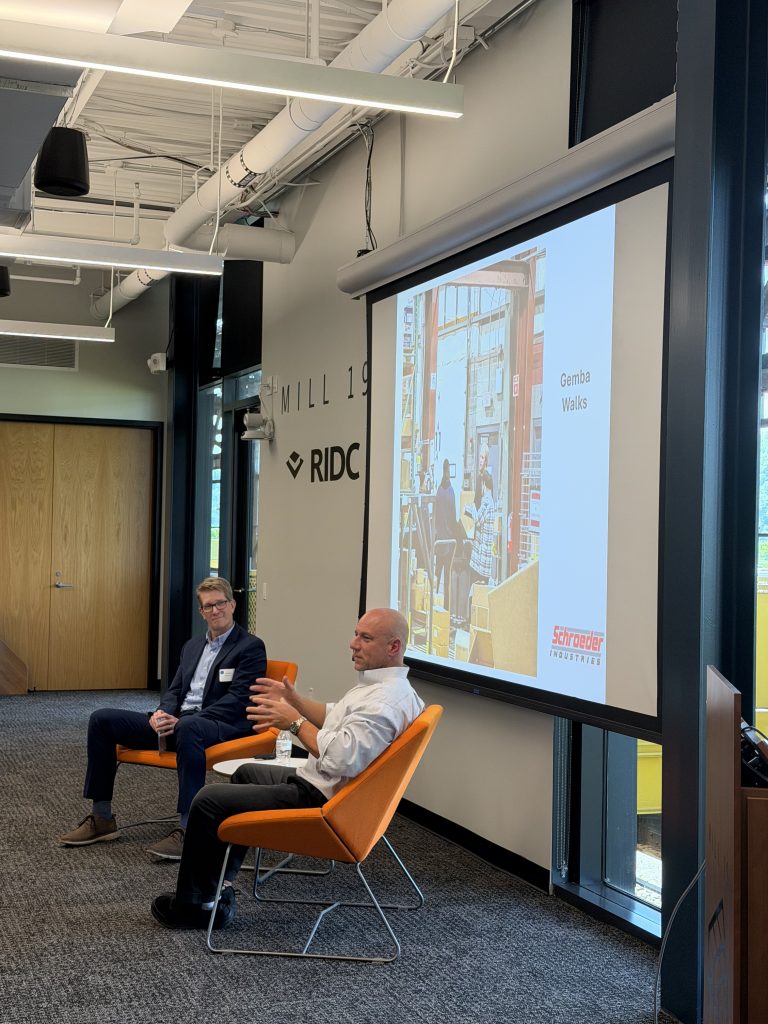
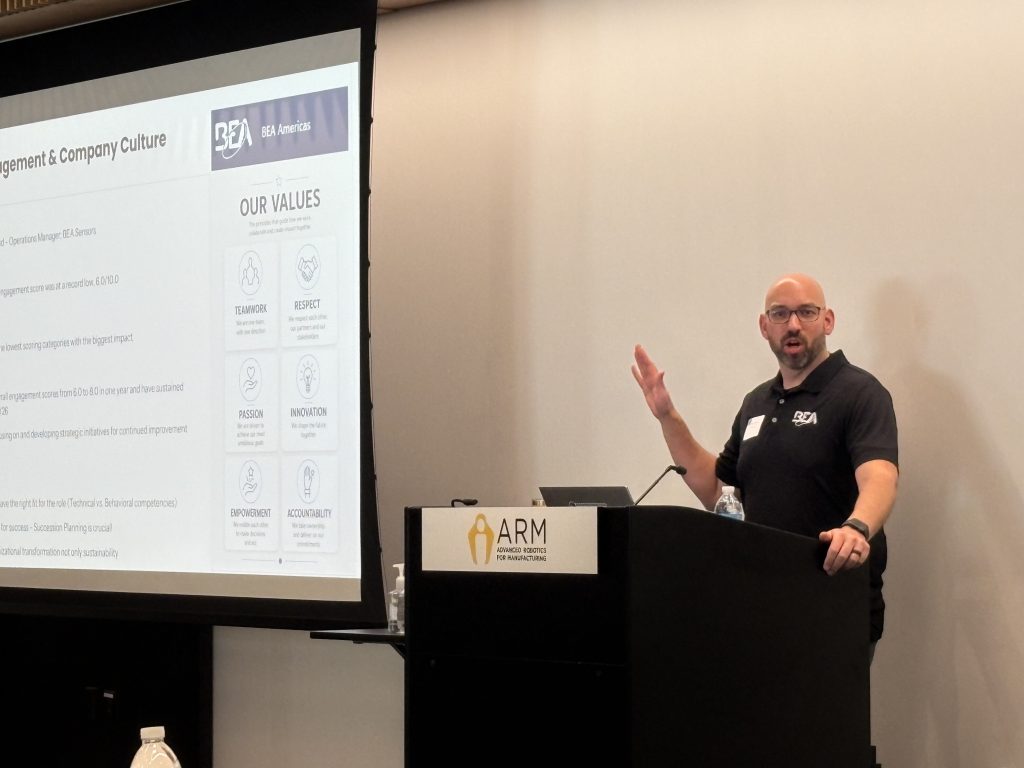
During presentation showcases and breakout talks, owners openly shared lessons learned and daily operational realities. They discussed real deployment hurdles and the practical choices shaping their firms.
The talks focused heavily on real-world architecture and execution. They covered what works, what fails, and what steps companies will try next.
Manufacturing Leaders Sharing Practical Experience
A top feature of the event was how candidly builders spoke. They openly shared both big options and tough obstacles.
Sessions explored how local companies handle key areas:
- Using AI inside factory operations
- Investing in automation and digital tools
- Keeping workers and developing new leaders
- Growth options in energy and utility infrastructure
- Improving workflows and building operational resilience
- Staying competitive in uncertain markets over the long term
The summit proved an important point for small and mid-sized builders. Many companies share the exact same challenges, even in different industries.
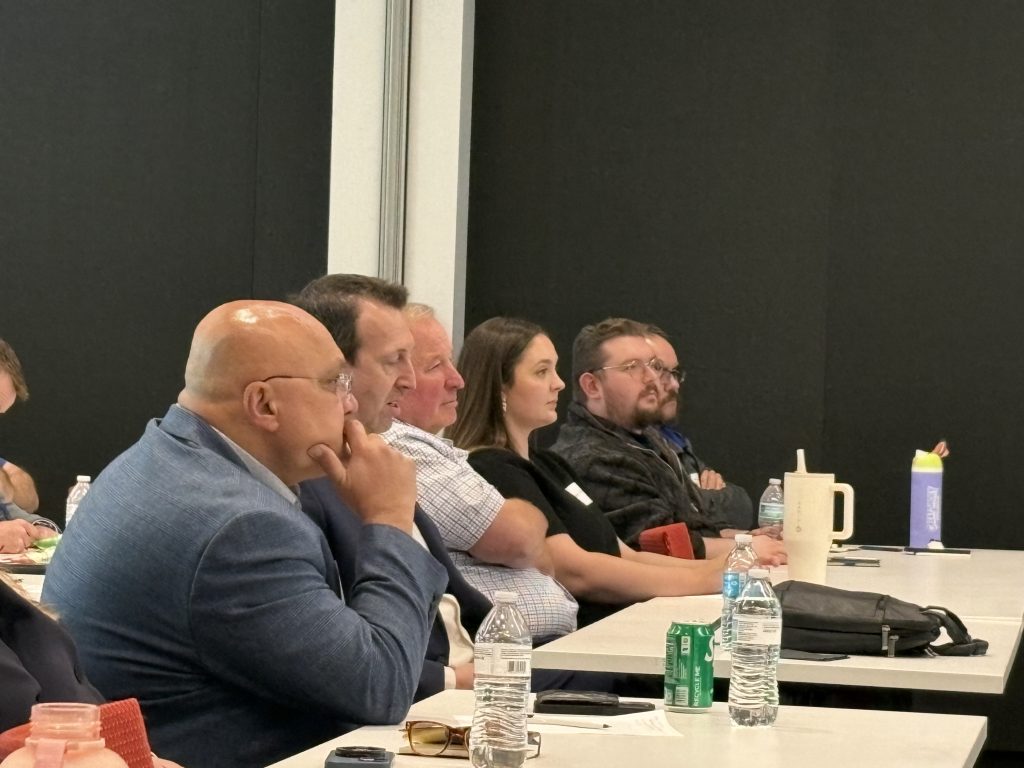
This common experience built a strong level of openness and active sharing all day long.
A Strong Signal for Southwestern Pennsylvania Manufacturing
The talks at the summit showed the sheer strength of the southwestern Pennsylvania manufacturing community.
Local shops continue to invest in fresh tech and staff training. They also focus on workflow fixes and growth plans despite market shifts.
The summit proved how vital peer networks and regional teamwork are today. Many top insights happened between main events, during casual chats, and via direct factory-to-factory swaps.
After the event, one attendee shared that their top takeaway was simple “hope.”
Hearing from other builders with the same issues made future tasks feel much easier. It gave them fresh energy to keep pushing forward.
That feeling perfectly captured the true goal of the entire day.
Continuing the Conversation
The summit was built to be more than a single event. It aims to secure long-term links across the local industrial network.
After the show, Catalyst Connection urged teams to stay active in peer groups and technical aid programs that focus on:
- Adopting new shop technologies
- Lean workflows and operational excellence
- Corporate and team development
- Smart workforce strategies
- Overall business growth
These talks are highly valuable for teams making tough choices about AI, automation, or labor pressures. They also help with supply blocks and operational efficiency tweaks.
The daily challenges are real, but the business options are just as massive.
The event proved one clear point: southwestern Pennsylvania manufacturers continue to move forward together.







FAQs
What was CATALYZE 2026?
It was a leadership summit for manufacturers only, held by Catalyst Connection at Mill 19 in Pittsburgh. The event focused on peer learning, workflow strategies, labor fixes, and tech choices for regional builders.
Who attended CATALYZE 2026?
The event brought together factory owners, operations managers, labor leaders, and tech experts from small and mid-sized manufacturing firms across southwestern Pennsylvania.
What topics were discussed during the event?
Talks focused on top factory challenges like using AI, setting up automation, skilled labor shortages, tariffs, supply chain snarls, and long-term growth plans.
Why was CATALYZE 2026 structured as a manufacturers-only event?
The summit was built to allow open, honest talks between builders without the noise of a normal sales trade show. The goal was to create direct peer chats about real shop challenges.
Where was CATALYZE 2026 held?
The event took place at Mill 19 in Pittsburgh, Pennsylvania. This site houses the Manufacturing Innovation Center and several advanced robotics programs.
How can manufacturers stay connected after CATALYZE 2026?
You can join Catalyst Connection’s peer groups, workforce tracks, and technical aid programs. These networks focus heavily on automation tech, Lean methods, and business growth.