Catalyst Connection Receives $2 Million ARC POWER Grant to Help Create Pathways to Employment in Advanced Manufacturing


Catalyst Connection has secured a major $2 million ARC POWER grant from the Appalachian Regional Commission. This funding drives our Forging Your Future plan. It builds a skilled advanced manufacturing workforce across southwestern Pennsylvania.
“Manufacturing drives a $12 billion local economy and employs nearly 90,000 people here,” says Petra Mitchell, Catalyst Connection’s President and CEO. “It offers great salaries and sparks community growth. Every single factory job creates an additional 2.6 jobs, boosting local wealth. When our manufacturing companies win, everyone wins.”

Our Forging Your Future project is introducing a comprehensive, three-tiered training plan to arm Appalachians with the crucial skills needed for cutting-edge manufacturing sectors, such as:
- Clean energy infrastructure
- Robotics technologies
- Automation and machine learning systems
- National defense supply chains
Participants will embark on a structured training journey:
- Pre-Apprenticeship Programs: Students get early training to jump into real factory jobs right after high school.
- Registered Apprenticeships: Job seekers move into full-time, paid, on-the-job training to earn valuable field experience.
- State-of-the-Art Learning Labs: Workers use high-tech labs to master modern manufacturing tools and systems.
Catalyst Connection is dedicated to driving long-term economic growth. We give local workers the right tools to win in a fast-growing market. To read more about the ARC POWER grant, click here.
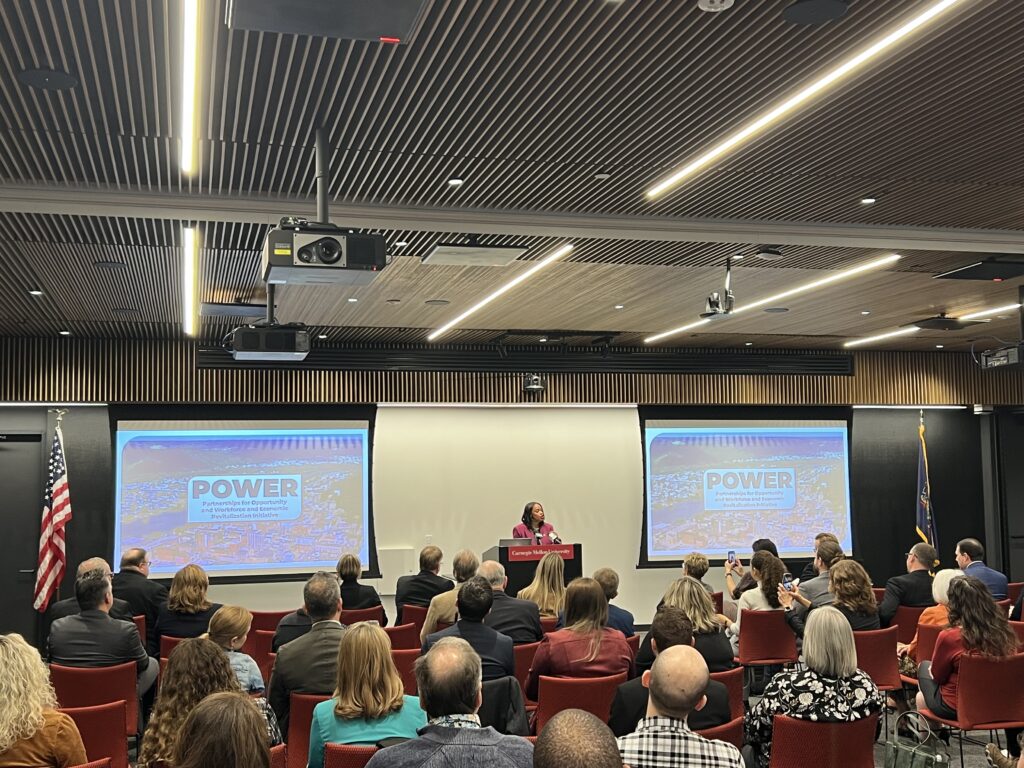
A press event for this announcement took place at Mill 19 in Pittsburgh. Featured speakers included Petra Mitchell, President & CEO of Catalyst Connection; Gayle Manchin, Federal Co-Chair of the Appalachian Regional Commission (ARC); and Pennsylvania Representative Summer Lee.


FAQs
What is the ARC POWER grant?
It is a federal funding plan from the Appalachian Regional Commission. It helps rebuild local economies hurt by coal job losses. The project focuses on building fresh career paths and creating good, family-supporting jobs.
How will this grant support advanced manufacturing?
This funding helps build a stronger manufacturing workforce. It links training classes, local employers, and community groups together. This gives people better access to hands-on skills and real industry credentials.
Who benefits from this funding?
Job seekers wanting better careers, local manufacturers looking to hire skilled staff, and community workforce groups across southwestern Pennsylvania.
What types of training or programs are included?
Programs focus on in-demand factory skills like robotics, machining, mechatronics, and industrial maintenance. They mix classroom study with hands-on training to get workers ready for modern shop environments.
How does this initiative help address workforce shortages?
It bridges the gap between open jobs and qualified candidates by matching classroom paths with actual employer needs. This makes it easier for shops to find staff and for workers to build stable careers.
How can manufacturers get involved?
Companies can partner on training tracks, share the exact skills they need, and offer internships, apprenticeships, or job placements. This ensures workforce training matches true industry demand.
What is the long-term impact of this grant?
It builds a resilient labor pool, links schools closely with industry, and drives regional growth. Over time, this helps factories expand while securing community stability and job growth.
Why is this important for southwestern Pennsylvania?
Manufacturing is a massive driver of our local economy. Investments like this strengthen the talent pipeline, boost business growth, and create paths to high-quality jobs so our region can win in advanced manufacturing.